Category Archives: tanka

Day 31

It didn’t seem natural to begin with, but numbering instead of titling the posts now seems normal, and saves time. However, unlike a finely crafted pun or alliteration there is little satisfaction to be gained from just writing a number. I may have to reconsider later in the year.

All my submissions are in and there is still an hour to spare. It isn’t the best way of doing things, but it certainly got me moving. Five submissions in three days, and some of them weren’t even written at this time last night. I think we can say that the pressure got me writing again. I’m just contemplating using the time difference between here and the USA to my advantage, but that might be overdoing it.

I now need to update my submissions log. I also need to write the submissions plan for the coming year. Then I need to sort out my haiku and tanka. Because they don’t have titles, and because I’ve taken my eye off the ball, I have lost control of them and don’t know what’s what. That was one of the reasons I had to write new tanka, I just can’t remember where I’ve sent some of the existing ones before, and I can’t recall every accepted one.

Time for bed now, and the admin and other problems can wait.

Here is the Larkin poem – it’s not quite as good as I remember it, but then I have deteriorated with the passing of the years. It was originally in Failed Haiku Number 62 and there are a few notes about it here and here.

Hidden Worlds

He wears a grey gaberdine and rides a bicycle from church to church.
In his head he composes poems about sex and tombs. On YouTube he
flickers in black and white, like a newsreel from the 1950s. Smiles are
clearly still on ration.

Larkin used more bad language than you normally expect from a
librarian. This becomes understandable when you find that he started
his day with half a bottle of sherry.

monochrome photo
my parents younger than me
1963

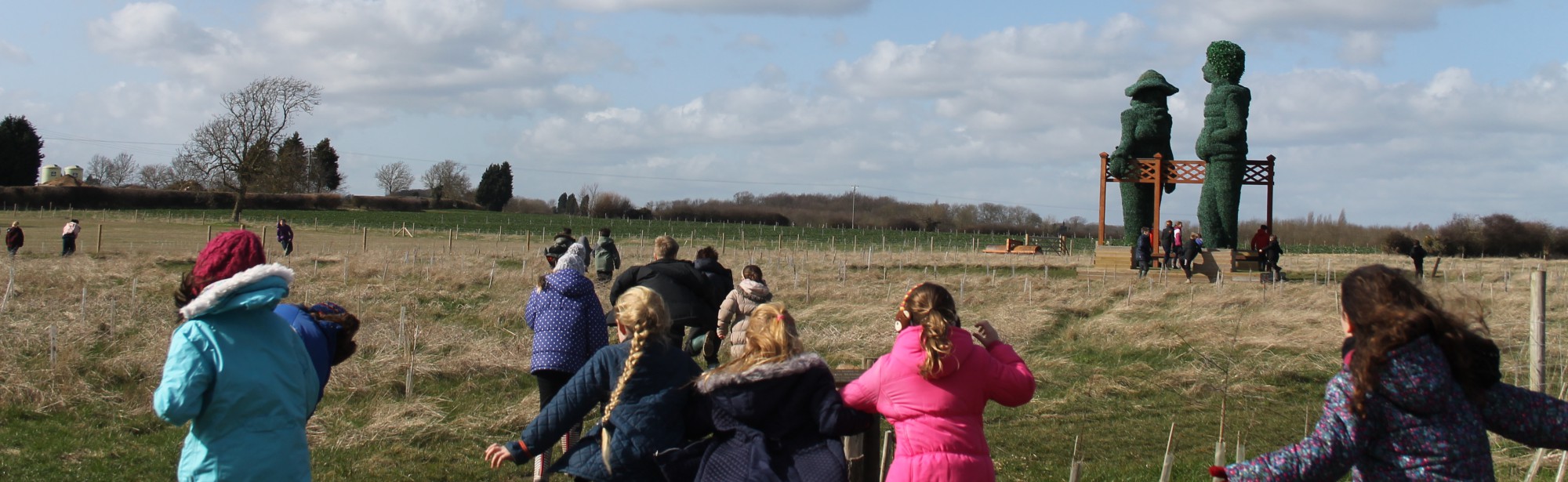
The header picture is the sort of picture I think a poet should have -, not like the pale and washed out old codger that actually appears in my biographical notes.


Comments on Rejection

I had a rejection email a couple of days ago, which was quite good as it had several notes with it. In general it gives me plenty of information about what the editor is thinking, though actual “improvements” are not quite so plentiful. I will act on the suggestions, as they took time and effort to produce, but like several other of my published pieces, I will also write the one i want to write and try again. Poems are, after all, only words and, as I have said before, I have plenty of words to write another one. It’s not like every poem published depletes the stock of words for the rest of us.

The three main points are that I should show, not tell. Last time I sent something to that magazine the comment was that I should have shown the house being built. There was, in the entire poem, no mention of a house being built, and in real life no house was built. The editor imagined it as a result of the poem. This is both good and bad, and after reading up I found that telling is sometimes necessary. It’s one of those things you find when you have contact with editors – inconsistency, grey areas and matters of opinion. Usually, I tell too much and gradually edit it out as I condense the poem. However, this can take months and I wrote the poem in question in three days. The problem wasn’t so much telling not showing – it was rushing things and  not editing properly. I’ll hold my hand up to that one.

Then there was the question of certain phrases and whether they were “poetic” or necessary. One of them was a metaphor that linked with other things in the poem, but that wasn’t noted. I’m obviously too subtle. Another was a phrase that most of you would have recognise a my speaking voice. I tend to write as I speak and I don’t always sound like Shelly or Frost. This irks me slightly a it’s like I’m being edited out of my own poems. It’s happened with others too, so this isn’t unusual.

Finally, the suggestions seem to have reduced the poem to a short paragraph with a tanka at each side. Whether this is by accident or not, I’m not clear. Over the years haibun have become shorter. I presume the same is true for tanka prose, though I admit I didn’t pay much attention to them until I started to write them. It seems to be a particularly American thing – a few lines of prose and a quick poem, usually with a tangential connection to the prose, referred to as “link and shift“. What they don’t tell you is that there are other ways of connecting the two elements.

I will stop there, lest I go on to explore other areas where editors may have blind spots dictated by fashion. I’m very close to 500 words now, which is a long post on a subject that is mainly of interest only to me.

My Orange Parker Pen