
Moving on from haiku, we have the Haibun. When I started writing Haibun they were simply a mix of prose and one or more haiku. Simple. I have an example of one in a 15-year-old magazine which was approximately six sections of prose broken up by 5/7/5 haiku. It was horrible, yet it fell within the definition of Haibun at the time and the editor of a magazine (admittedly a general magazine) had thought it fit to publish.
Inevitably the Haibun has acquired a few more guidelines since then. They call them guidelines rather than rules, I forgot to mention that in the last post, they call them guidelines, but they are, if you want to be published, definitely rules.
So, prose and a haiku. It used to be so simple . . .

My Orange Parker Pen
You now need to give the title equal weight with the text and haiku. And you need to have a juxtaposition of text and haiku similar to the relationship between the two parts of the haiku. They often refer to “link and shift” at this point. It’s one of those fashionable things that I don’t fully understand. In theory, I grasp it. In practice, I’m not so good. If you don’t have it, you get told that you lack it. If you have too much of it, you get told it you aren’t making sense. Basically I just chuck some words down on a page, select an editor and send it off. Sometimes it works, sometimes it doesn’t. I let them sort it out. I just like writing.
Don’t think for one moment that I don’t have an opinion on all this, I just can’t be bothered to argue. The only way to win the argument is to become an editor and I’m far too lazy for that.
My approach is that I like writing the prose section so I write prose sections. I then add some haiku, because you need haiku to make a Haibun. There are arguments to suggest that you don’t actually need a haiku, but that’s a similar argument to the tomatoes argument – we all know tomatoes are a fruit but we all also know you don’t use them in fruit salad. Some things just aren’t worth the effort.

Orange Parker Pen
At this point it all comes down to my attitude to rejection. I have honed my skills to a point where most rejection merely bounces off the hardened shell I have developed over the years. There are lots of words, there are lots of editors. Acceptance is nicer than rejection, but rejection isn’t a bad thing – it’s part of the learning process and it’s only the opinion of one editor on a certain day.
There I am, with my prose and my haiku. I then add a title. It isn’t always a brilliant title, but it’s usually better than the working title I started with. I have a terrible habit of forgetting to change the working title, which is often quite blunt. Some years ago an editor suggested I went with “What the Moon Saw” instead of “Not another Dead Deer Poem”. I agreed , though I still think my working title had certain features that the more sensitive title lacks. Rereading it, I would probably write it slightly differently these days. The haiku, I now see, is lacking in a number of respects. However, every publication is an encouragement to do better, which is what is important.
There are other things to look at. The standard format these days, which seems to be a growing trend, is a couple of hundred words followed by a haiku. It’s also possible to start with a haiku, have one in the middle or have a “braided” haibun where you split the three lines of the haiku up within the prose. It’s not something I’m that keen on. I struggle with haiku as it is and I really don’t need the extra work.

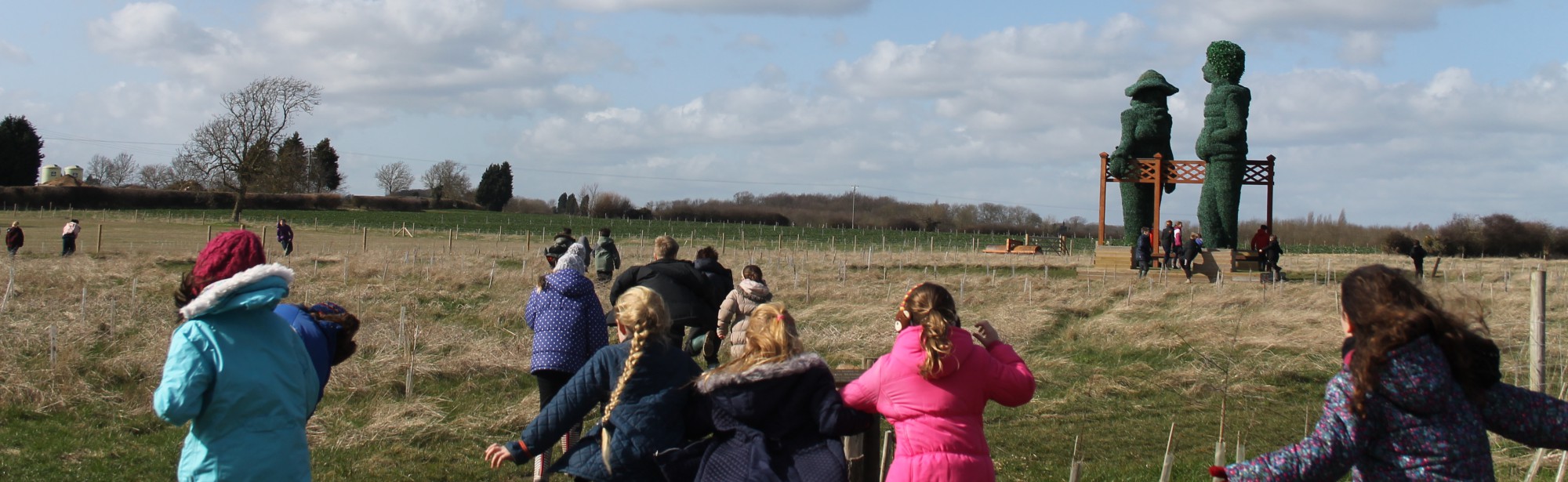
Photo by Pixabay on Pexels.com
If you write prose with a structure and a distinct ending (I admit mine sometimes actually have a punchline, which is probably bad) it’s often a good idea to have the haiku first, so the two don’t interfere with each other.
I like to write at least one in every submission that starts and ends with a haiku. That allows the editor to suggest I omit the first one as it doesn’t add to the poem. They are often right, but it is worth doing as it gives them something to do and distracts them from the other faults in the piece.
Two more things then I will finish.
Type of language. Two points of view. Some people think you should use pared down haiku-style language in the prose. Others think you should try to be different to avoid being boring. I’m sure they are both right depending on circumstances.
And for now, I forget the other . . .

Random photo
Sorry, I’m sure the other thing was important, but can’t recall it. It’s now 12 hours after I finished the first draft. This one is slightly more polished, believe it or not.
I forgot to mention, for instance that they seem to have started as travel journals and that the most famous one is by Basho. It has several different names in translation. In English you can get The Spring Journey to the Saxon Shore by David Cobb or Stallion’s Crag by Ken Jones.
That wasn’t, however, what I forgot. That’s still bothering me.
I seem to have veered off the subject of haibun and written about how i write them. Sorry if that leaves you feeling short changed but there are plenty of other articles about if you want all the technical stuff. I like to think, as a man of small education, who took over 60 years to get round to writing the word pedagogical, that it’s my role in life to demystify poetry.
Like TESCO I adopt the pile it high and sell it cheap model. And if you do decide to have a go, remember that the important thing really isn’t the title, the prose, the haiku or the relationship between the whole, it’s the persistence. Write one, send it off, get it rejected, send another. Go on, write a haibun for 2024 and send it to a magazine.